
Fair Value Gap (FVG)
Fair Value Gaps are the Internal Range Liquidity that can act as support or resistance areas to create the next leg of a move.
What is a Fair Value Gap (FVG)?
A Fair Value Gap (FVG) is a 3 candlestick pattern that creates a 'price inefficiency' due to aggressive expansion in one direction.
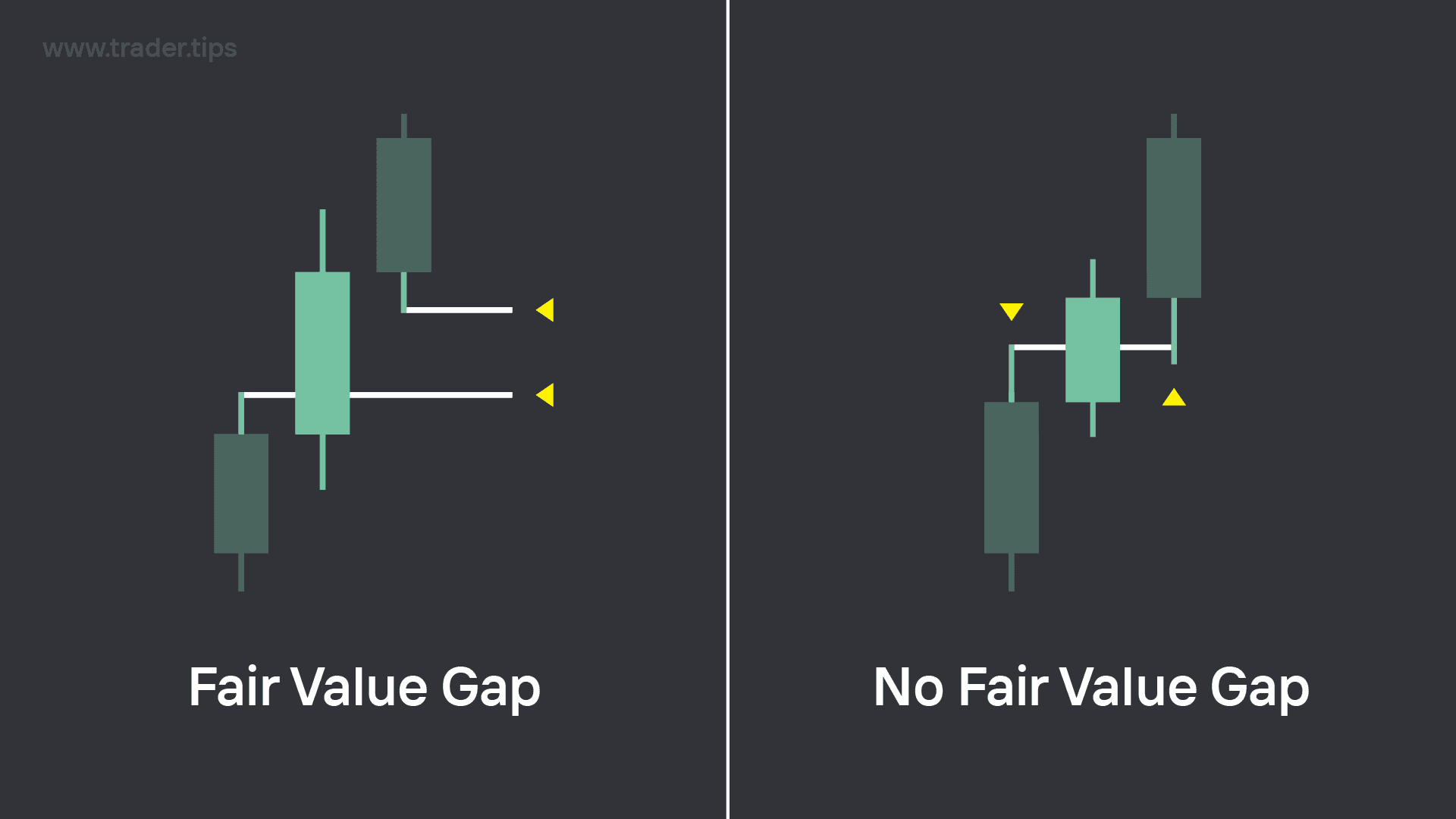
Price leg with a Fair Value Gap compared to a price leg without a Fair Value Gap.
An FVG forms when there is no overlap between the top wick of the 1st candle and the bottom wick of the 3rd candle (Bullish Fair Value Gap), or when there is no overlap between the bottom wick of the 1st candle and the top wick of the 3rd candle (Bearish Fair Value Gap).
The inefficiency is created because with the price moving so quickly in one direction, there will be orders sitting within that area that weren't able to be filled, making it an area of liquidity.
This is why we refer to FVGs as an Internal Range Liquidity area, which can act as support or resistance areas.
When an FVG is created, the market will use it as a draw on liquidity target at a later time, to rebalance the inefficiency.
Bullish Fair Value Gap
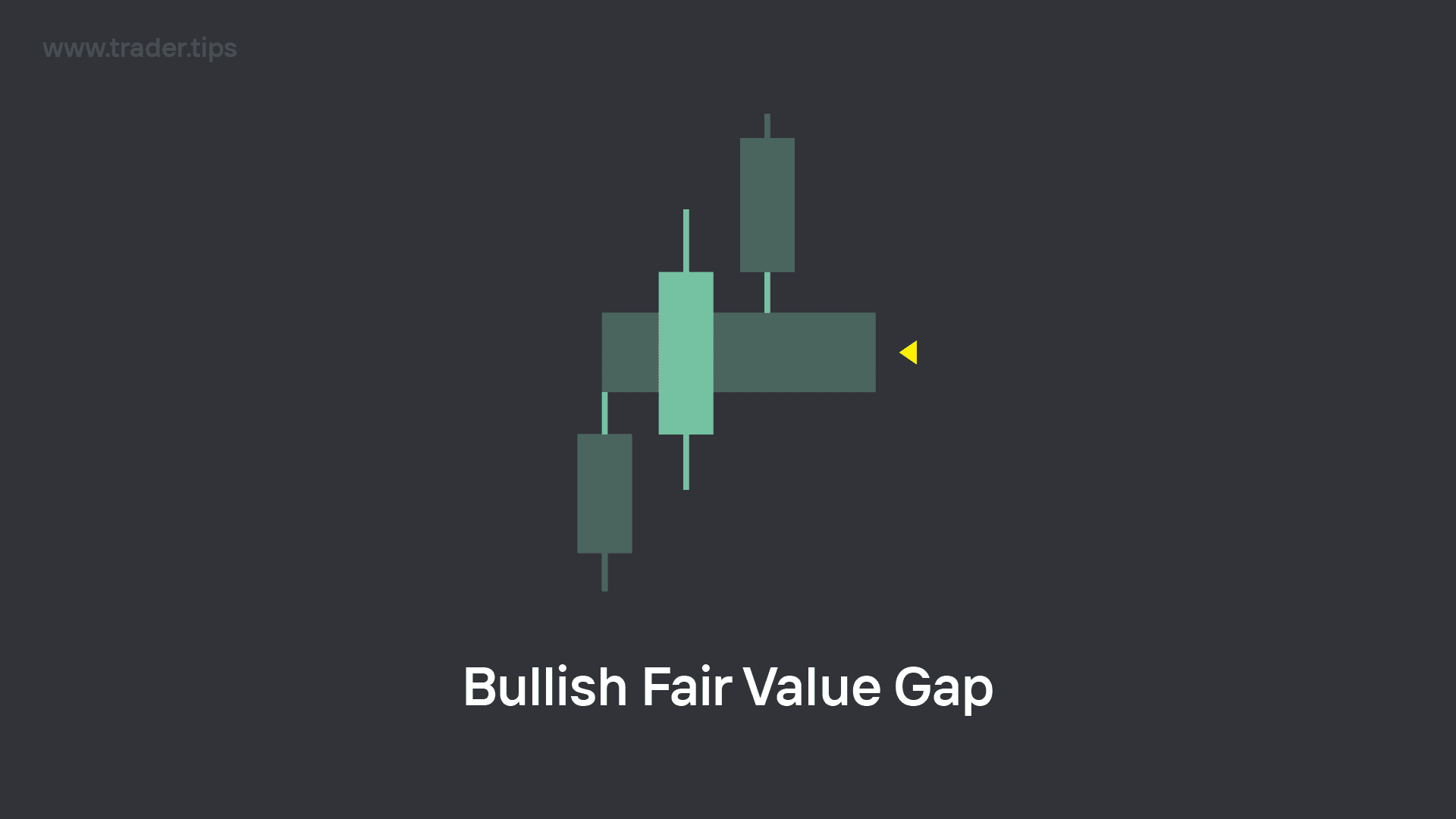
Example of a Bullish Fair Value Gap (Bullish FVG).
A Bullish Fair Value Gap is created when there is a gap between the top wick of the 1st candle and the bottom wick of the 3rd candle, in a 3 candle sequence.
If the market targets a Bullish Fair Value Gap, it would approach from the upper side.
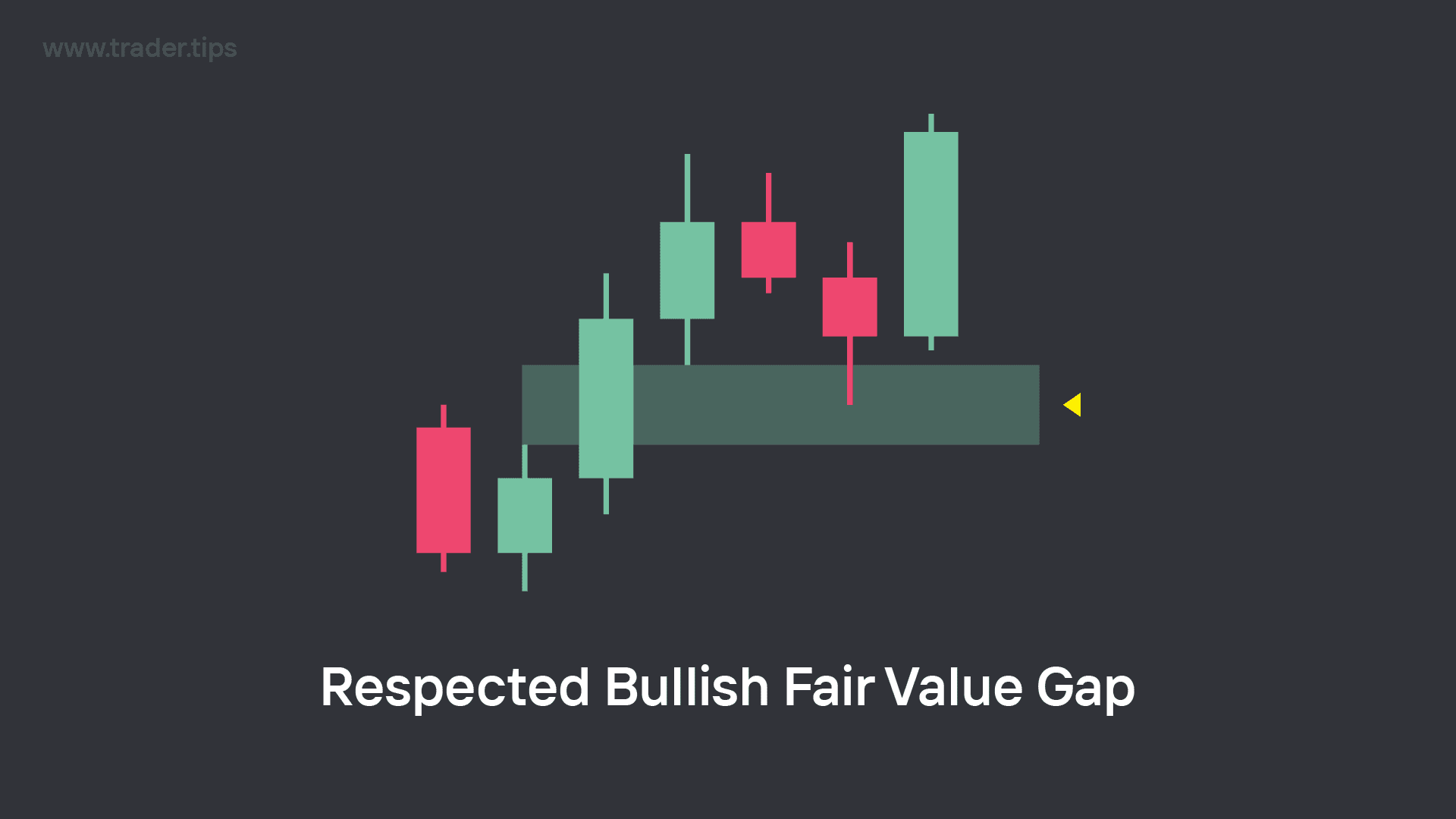
Example of a Bullish Fair Value Gap being respected as an area of Support.
Bullish Fair Value Gaps are treated as an area that can potentially act as support, creating the next swing low to expand the price higher.
Bearish Fair Value Gap
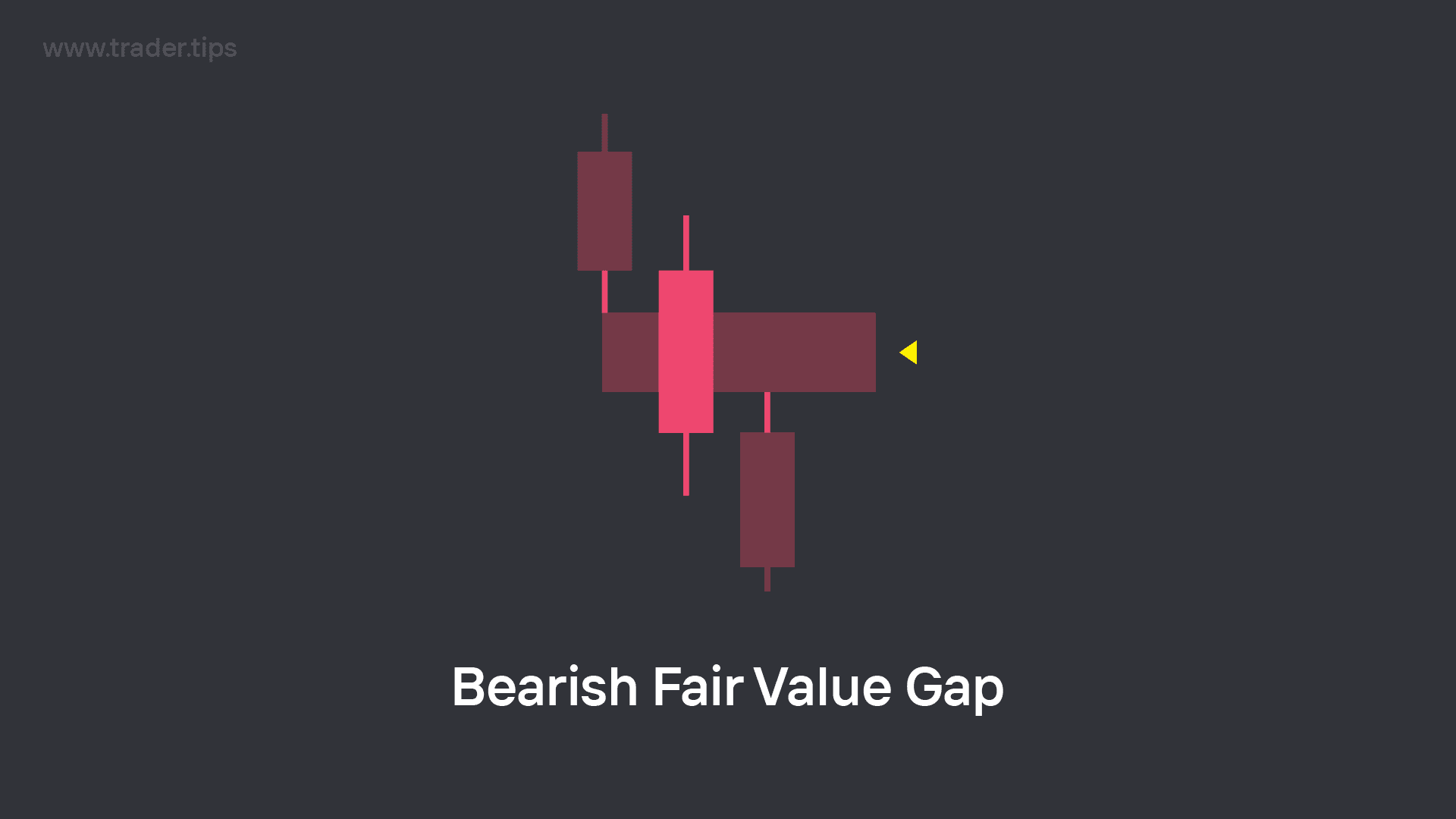
Example of a Bearish Fair Value Gap (Bearish FVG).
A Bearish Fair Value Gap is created when there is a gap between the bottom wick of the 1st candle and the top wick of the 3rd candle, in a 3 candle sequence.
If the market targets a Bearish Fair Value Gap, it would approach from the lower side.
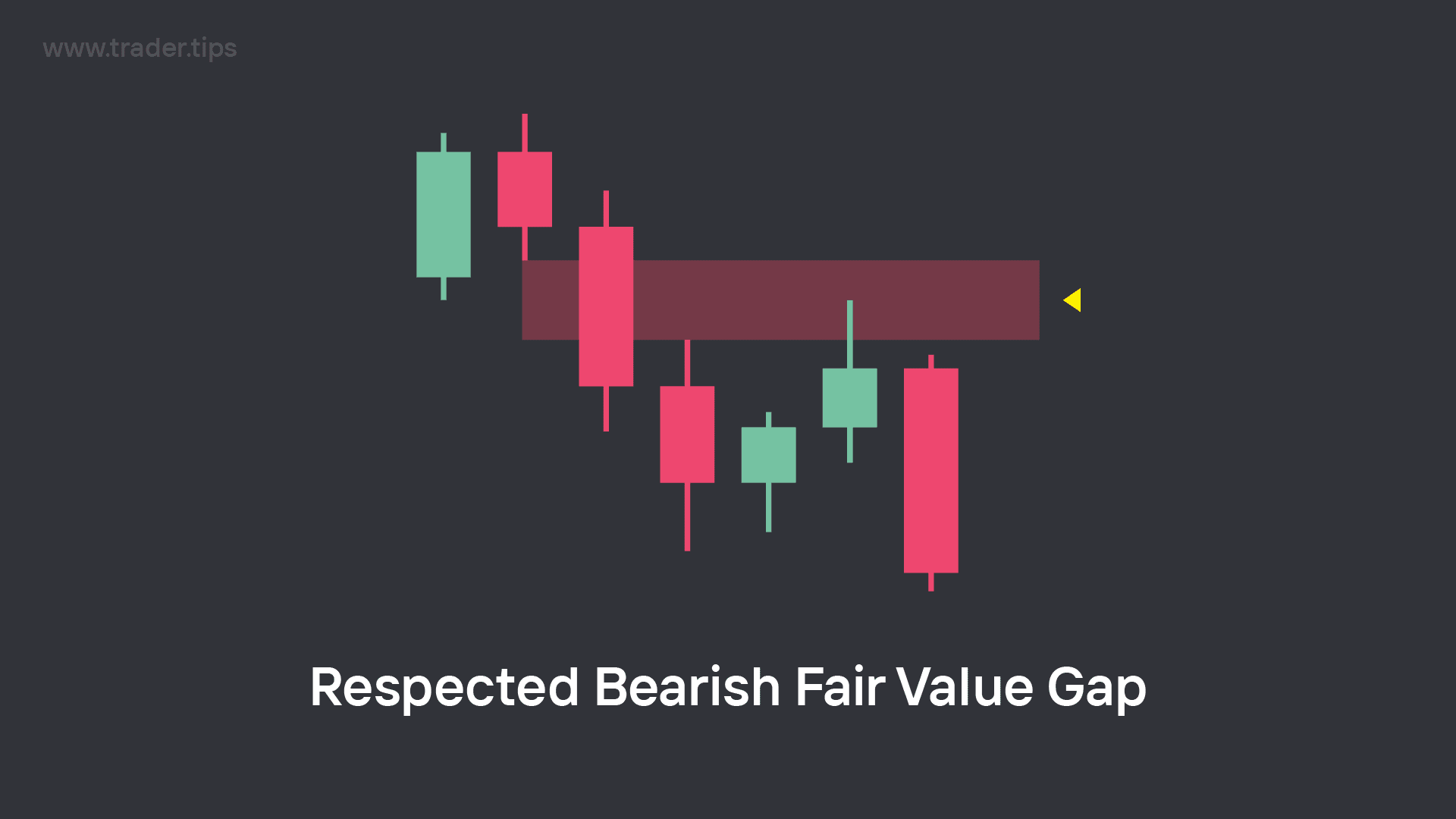
Example of a Bearish Fair Value Gap being respected as an area of Resistance.
Bearish Fair Value Gaps are treated as an area that can potentially act as resistance, creating the next swing high to expand the price lower.
Different Ways Price can React to a Fair Value Gap
When the market revisits the area of a FVG, there are 3 sensitive levels that can cause a reversal reaction, whilst still respecting the Fair Value Gap.
The price can hit any or all of these levels before reacting.
IOFED
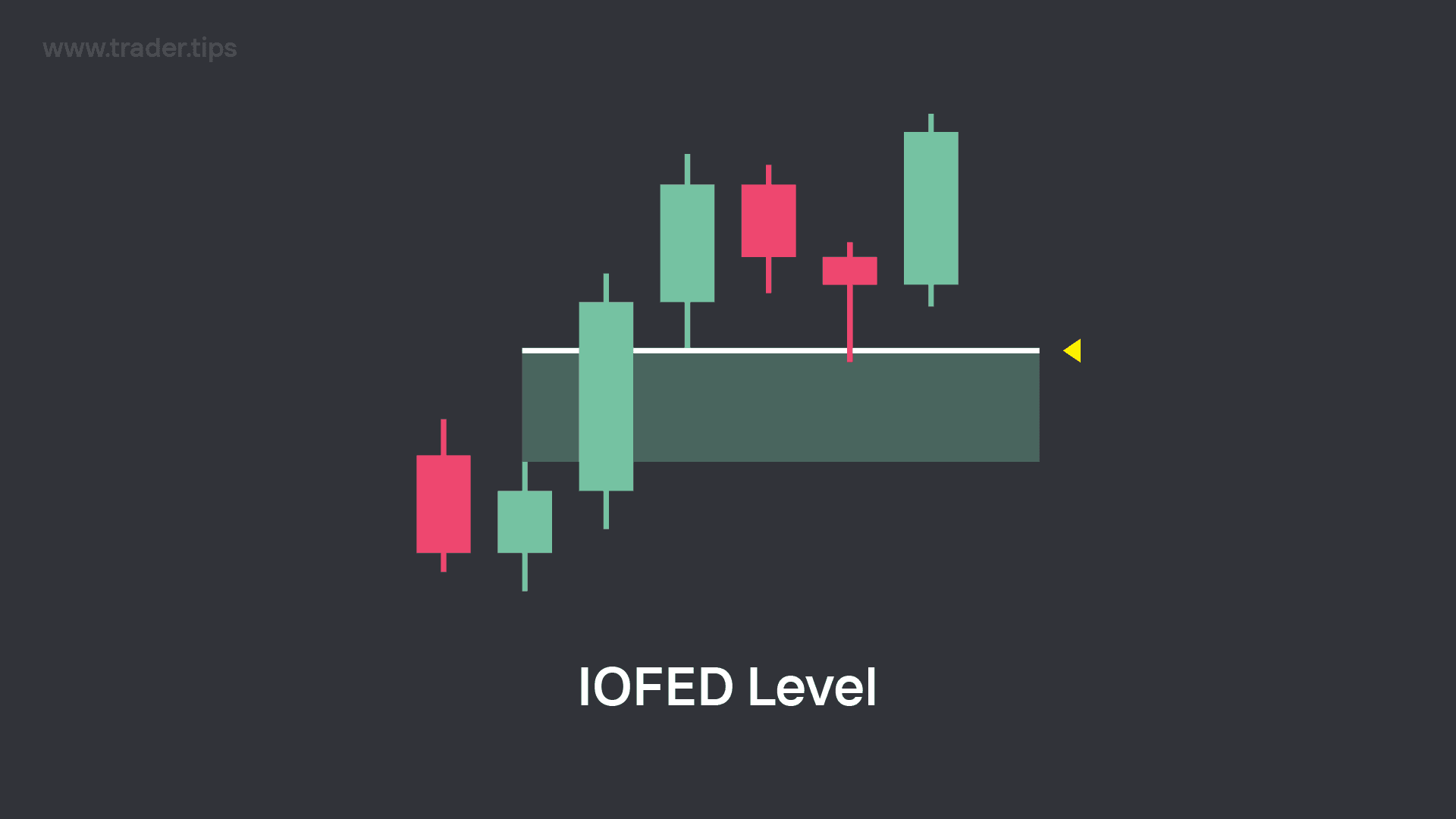
IOFED Level of a Bullish Fair Value Gap.
The IOFED refers to the 'close edge' of the FVG area.
For Bullish Fair Value Gaps, the IOFED would be the level drawn from the bottom wick of the 3rd candle in the 3 candle series.
For Bearish Fair Value Gaps, the IOFED would be the level drawn from the top wick of the 3rd candle in the 3 candle series.
When price hits the IOFED and immediately reverses in direction, this shallow retracement is a strong signal that the Fair Value Gap is being respected as support/resistance.
Equilibrium
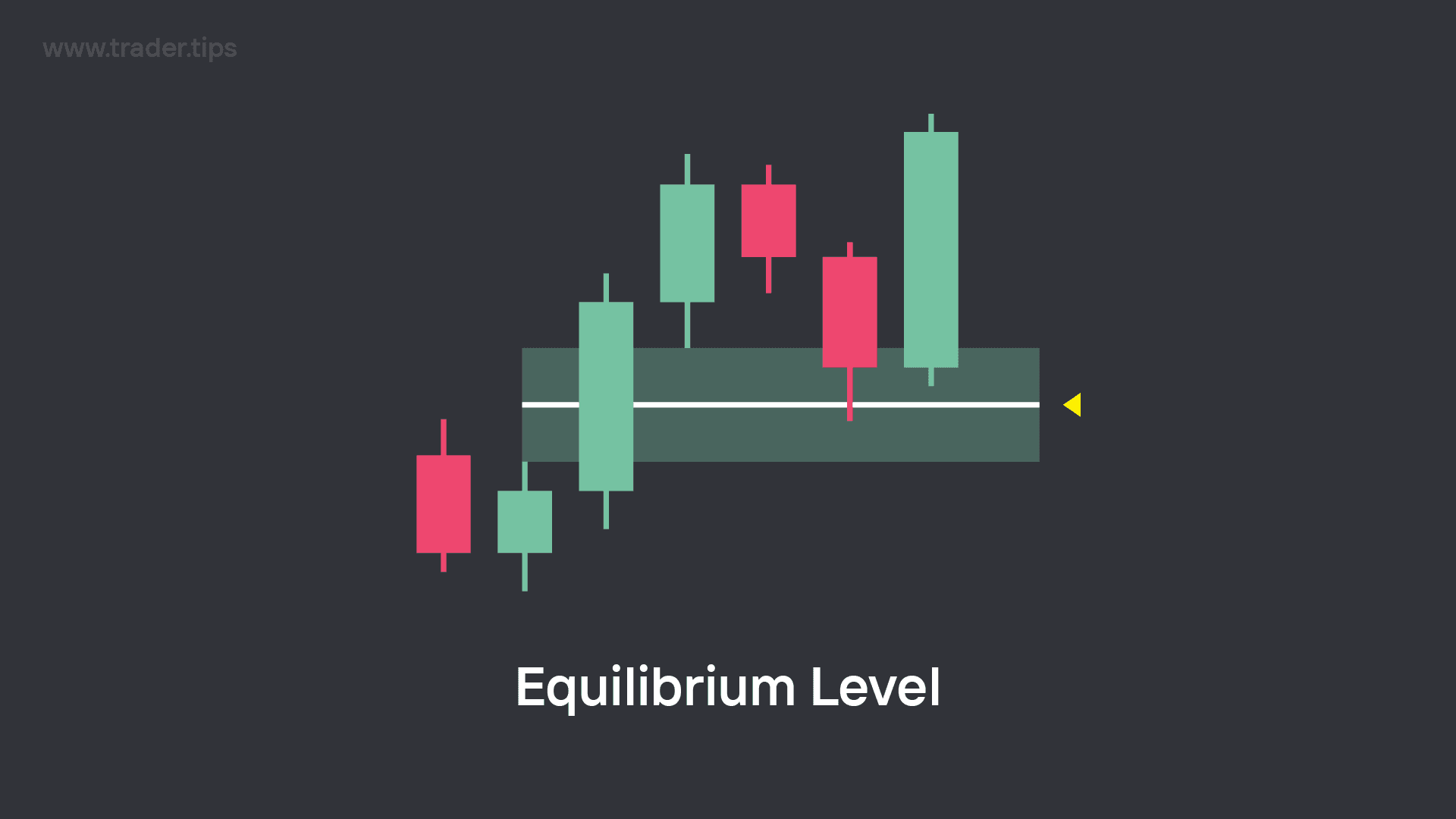
Equilibrium Level of a Bullish Fair Value Gap.
The Equilibrium (EQ) refers to the 50% midlevel of the FVG area.
It's fine for price to reach into this level, but in order for us to be confident that the FVG is being respected, we don't want to see any candles close past this level because this shows weakness in the potential pullback move.
FVG Fill
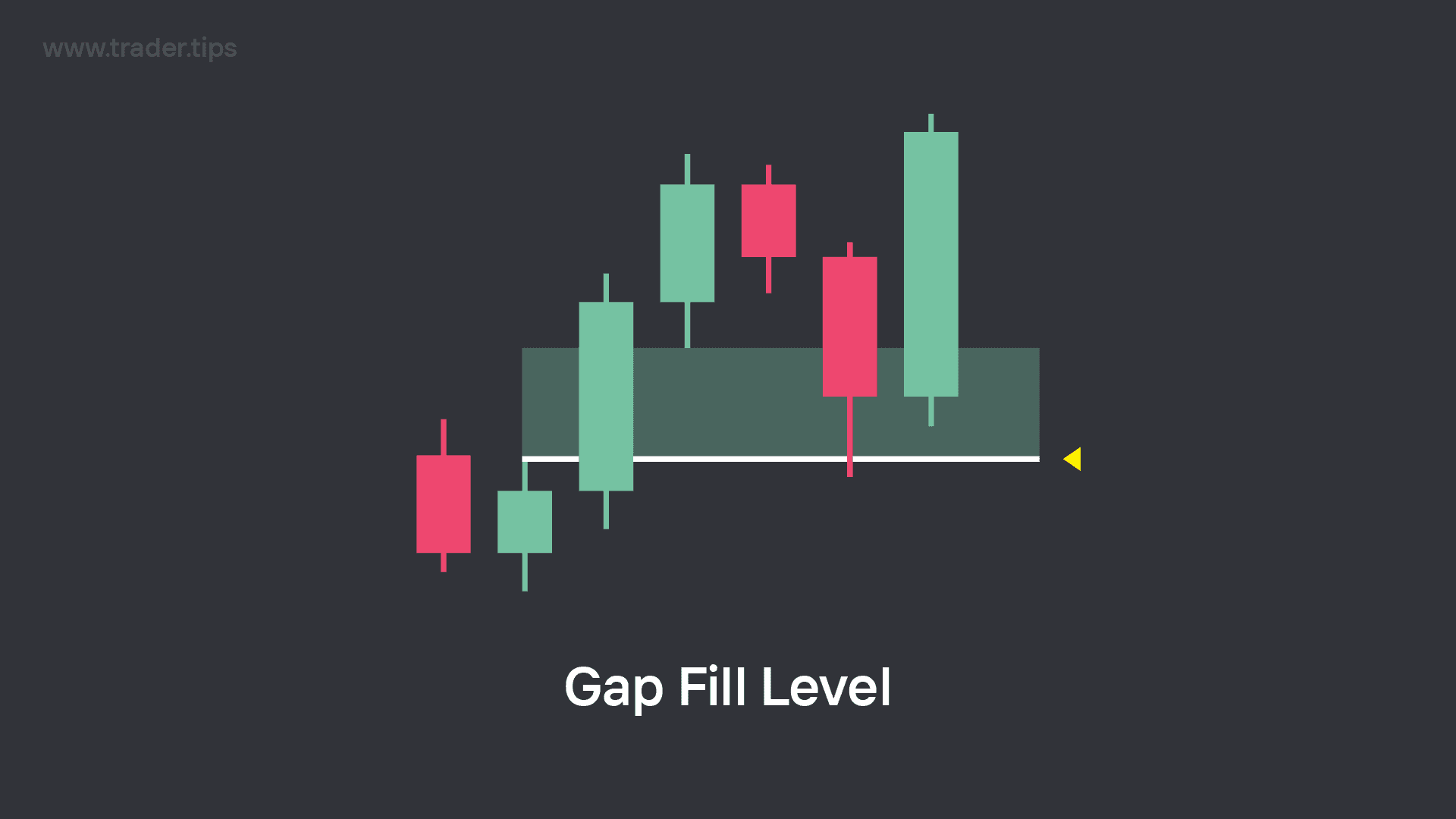
Gap Fill Level of a Bullish Fair Value Gap.
The FVG Fill Level refers to the 'far edge' of the FVG area.
If price reaches this level, we consider the Fair Value Gap to be filled, meaning there is no longer an inefficiency.
The price can hit this level and reverse, respecting the Fair Value Gap.
But it's crucial that we don't see a candle close past the FVG Fill level because this would confirm the FVG as invalidated.
When is an FVG Invalidated?
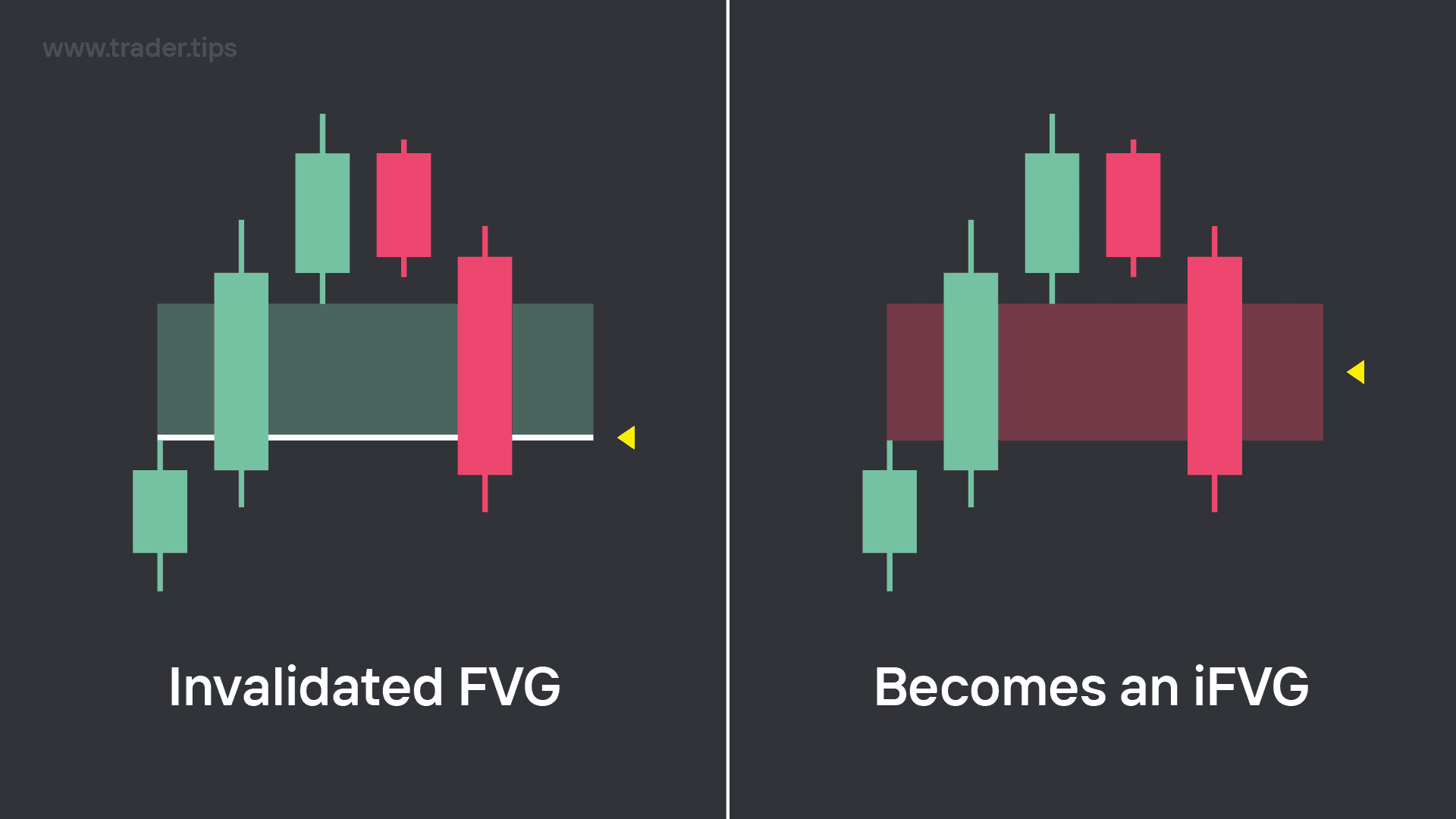
Invalidated Fair Value Gaps (FVGs) become Inversion Fair Value Gaps (iFVGs).
When price pushes the whole way through the Fair Value Gap's area and closes outside of the area, this invalidates the FVG.
When an FVG is invalidated, we no longer consider it a valid support (bullish FVG) or resistance (bearish FVG).
The invalidation of an FVG converts it into a new PD Array called an Inversion Fair Value Gap (iFVG).
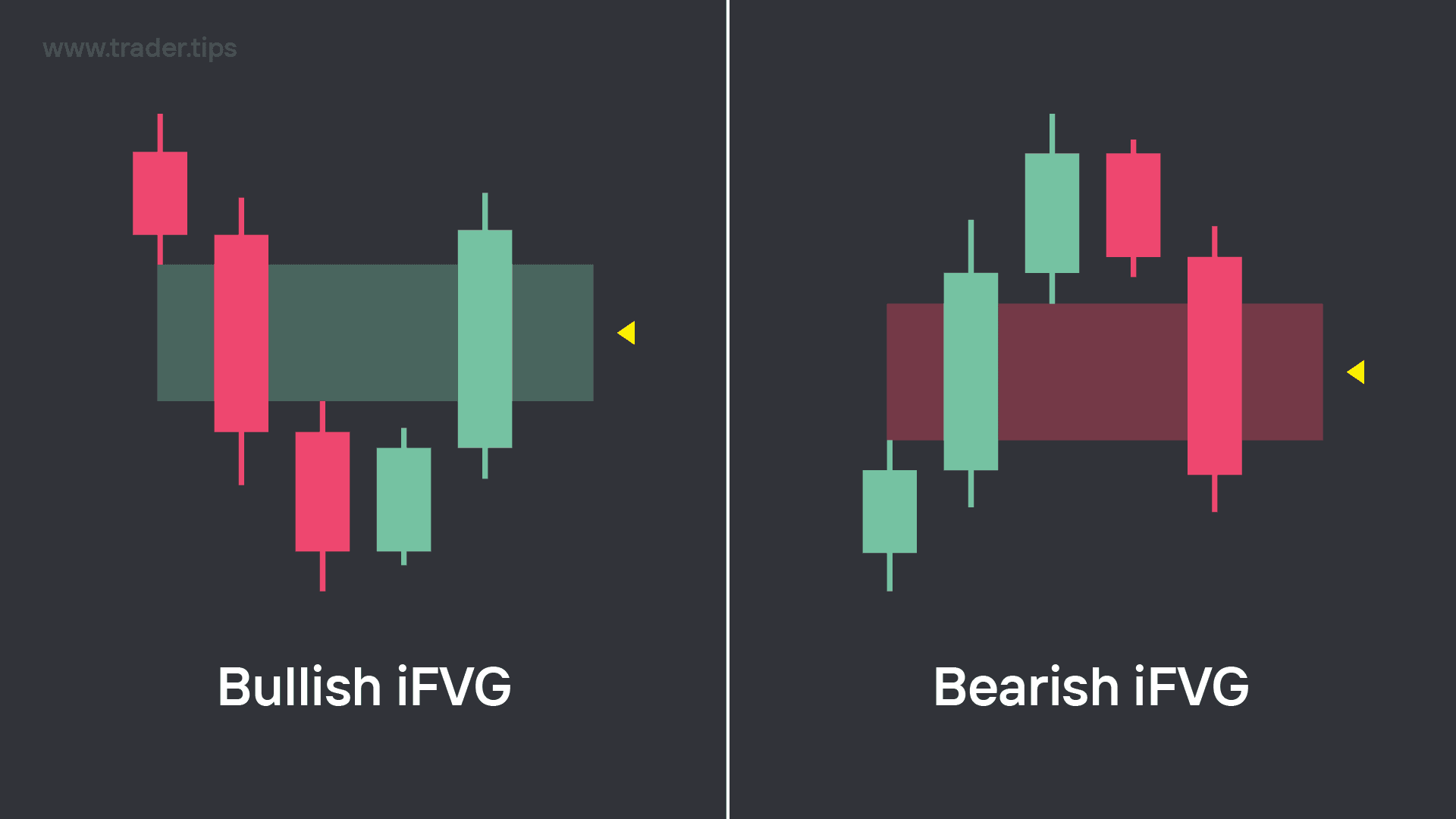
Example of a Bullish Inversion Fair Value Gap and a Bearish Inversion Fair Value Gap.
An iFVG's area spans the same area as the invalidated FVG and is used as a support/resistance 'flip' of the FVG's bullish or bearish bias.
This means that when a bullish FVG is invalidated, it becomes a bearish iFVG which is treated as an area of resistance.
When a bearish FVG is invalidated, it becomes a bullish iFVG which is treated as an area of support.
Which Fair Value Gap to use?
It's very common for one price leg to create multiple Fair Value Gaps, which can leave traders wondering which Fair Value Gap should they target?
- Range of the leg.
- Combining the areas into one area.
- Looking for a cleaner higher timeframe fair value gap.