
Candle Closures
Candle Closures are potentially the most important concept when it comes to being able to determine whether the market is respecting or disrespecting a key level or PD Array.
What is a Candle Closure?
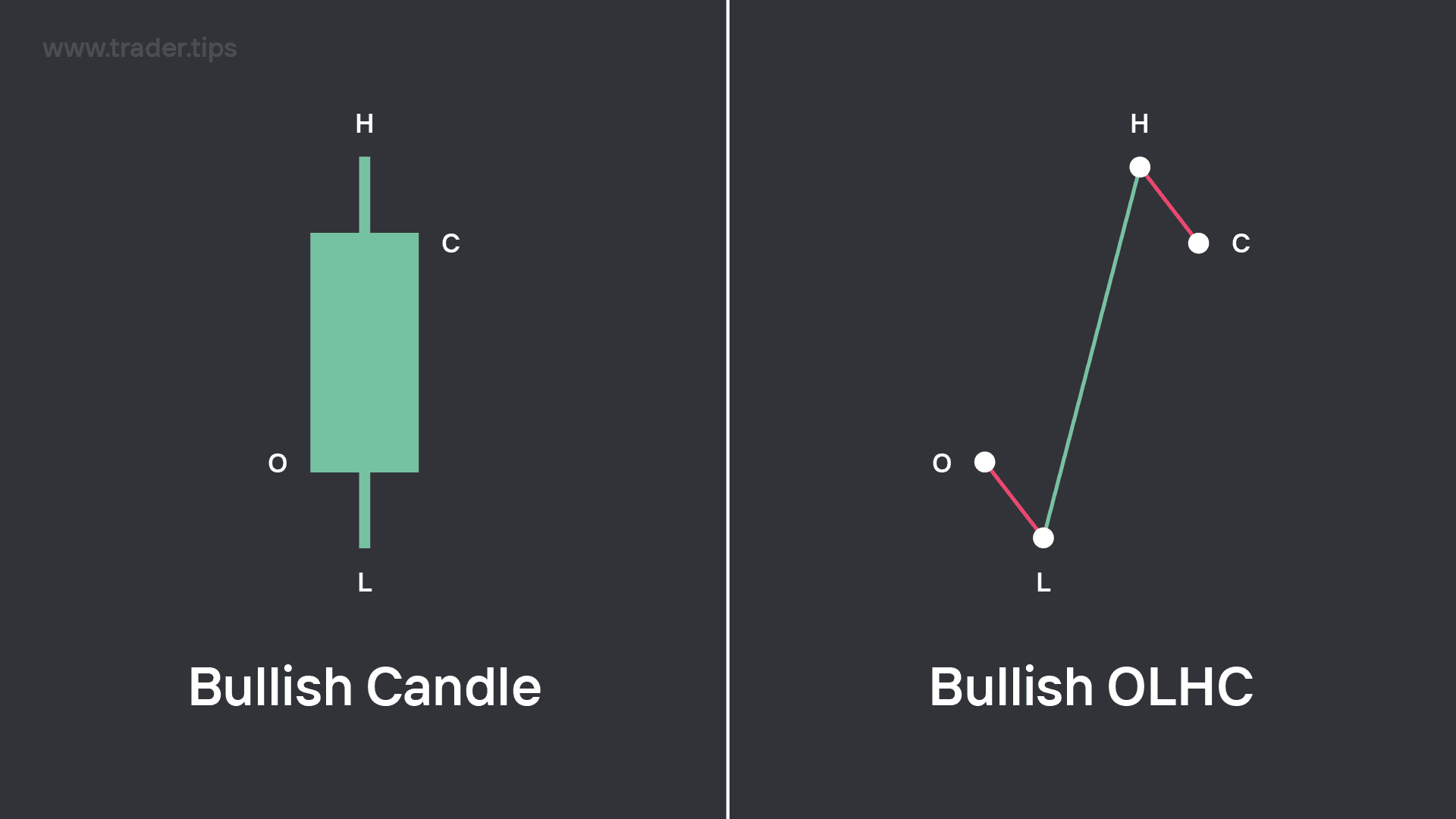
Example of Open (O), Low (L), High (H), Close (C) of a Bullish Candle.
We covered the anatomy of a candlestick earlier in the course.
A candle closure simply refers to when the current candle closes, for the next candle to open.
This is a very simple concept, but it is potentially the most important concept when it comes to analysing whether the market is respecting or disrespecting PD Arrays on a chart.
Why are Candle Closures so important?
We use candle closures to 'solidify' the candle's architecture. Only when the candle has closed can we consider using it for analysis purposes.
This means when it comes to the market forming new market structure, or confirming the respect or disrespect of PD Arrays, we always wait until the confirming candle has closed before we make any further judgements.
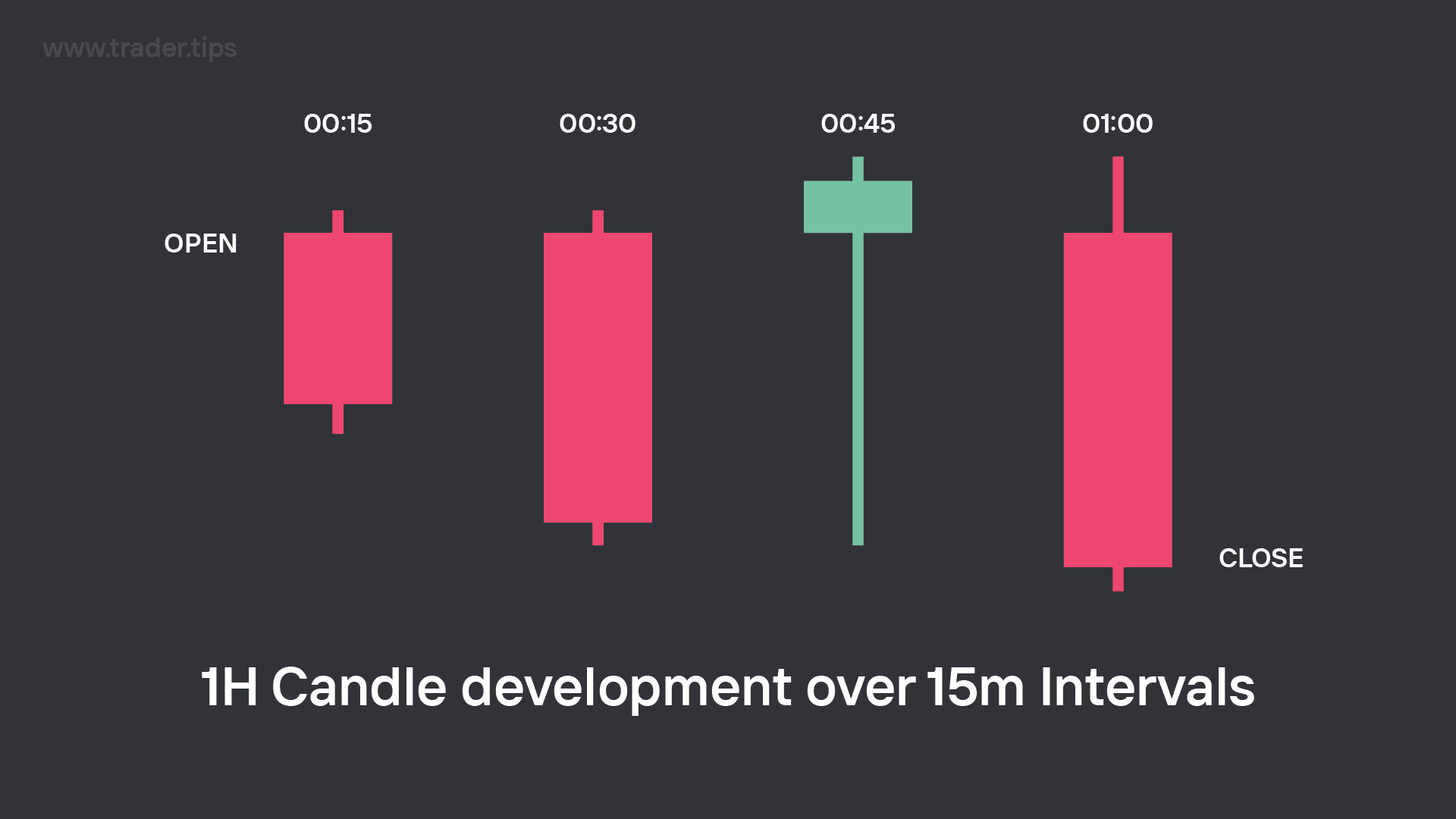
Example of how a 1 Hour Candle can look vastly different during it's development over 15m Intervals of time.
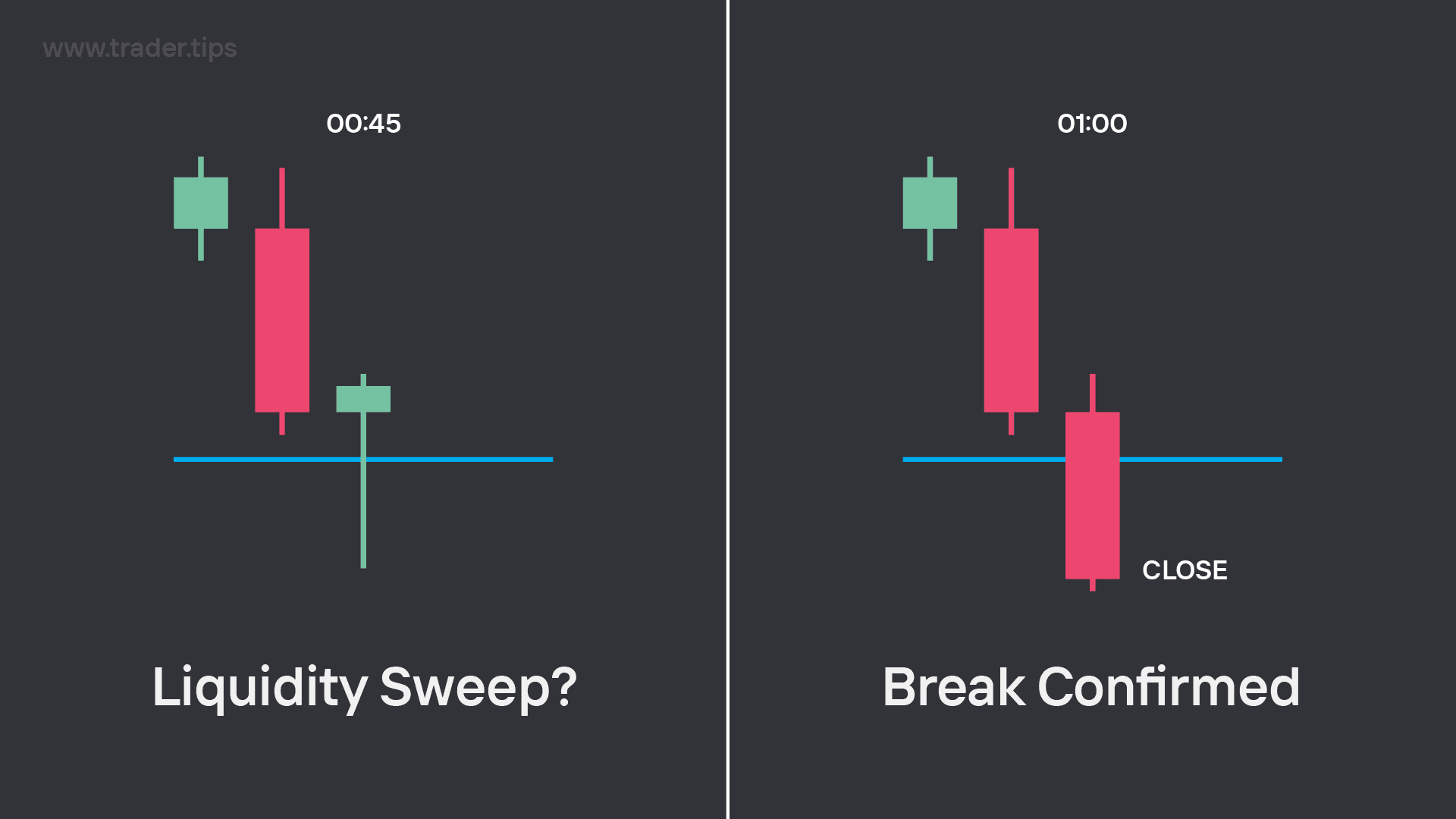
Example of how an unclosed candle can create a false confirmation.
A candle can look very different throughout it's creation. If you use a candle that hasn't closed as your confirmation candle, you can quickly be caught off guard by guessing how the candle might end up looking when it finally closes.
For example, in the 2 images above, the first image shows an example of how a 1 hour candle can look vastly different during it's development by looking at how it forms over the four 15 minute intervals between it's open and close.
In the second image, when putting the 1 hour candle from the first image into a contextual scenario, at the time of 00:45 it seems that the market might have swept this key level, which could make a long trade tempting.
But once the 1 hour candle actually closes at 01:00, we can clearly see that what looked like a liquidity sweep only 15 minutes ago, now clearly shows a breakout move through the liquidity level.
This is just one example of why candle closures are so important, but this will be a common theme through this course.
How some Candle Closures can help us predict what the next candle will do
There are a few specific candle closure formations that can help us to determine how the next candle might form (bullish or bearish?).
Candle Closure for Continuation
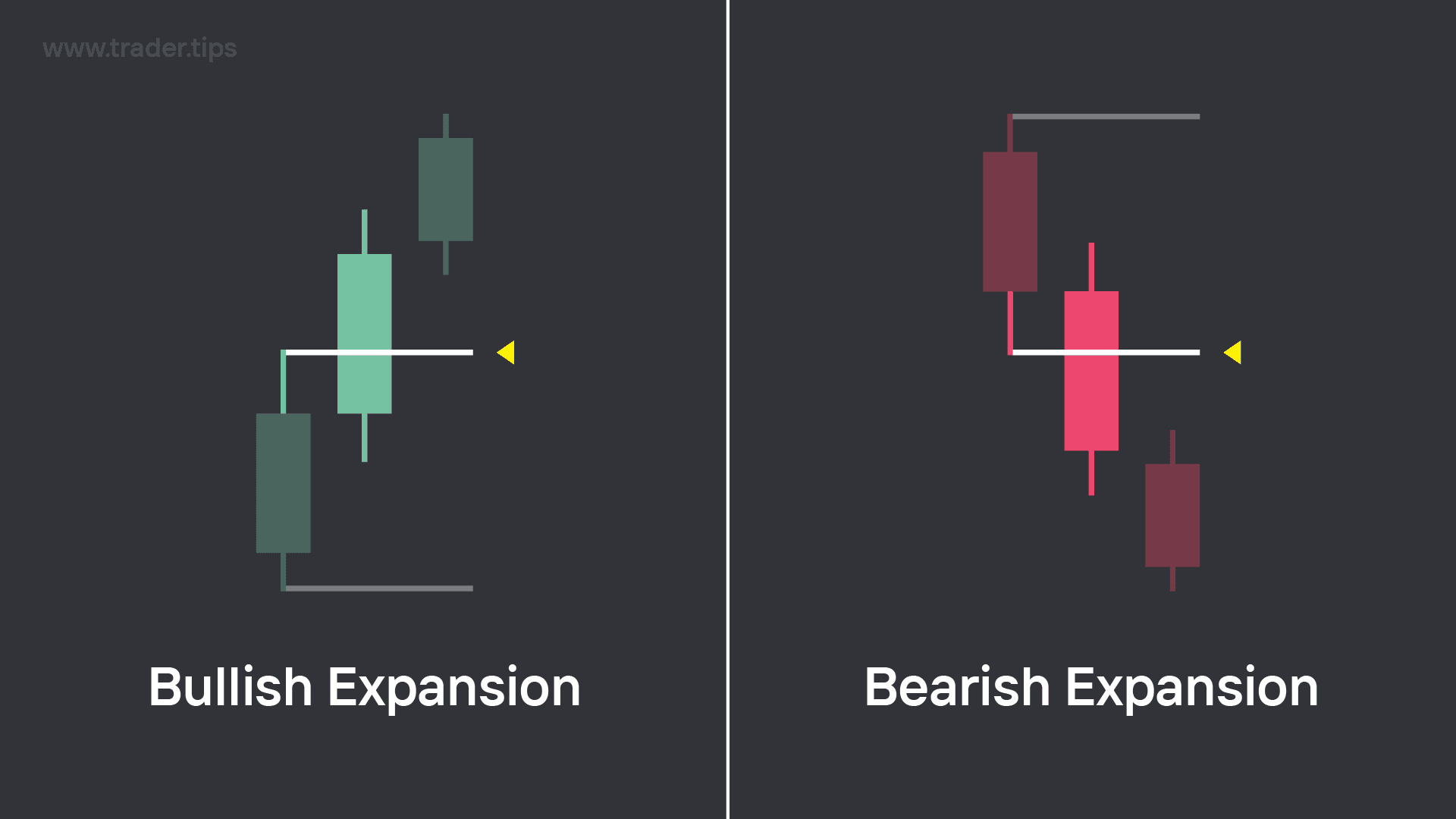
Example of a Bullish Expansion Candle formation and a Bearish Expansion Candle formation.
Expansion Candle
An Expansion Closure is used as a way of signalling that the momentum of buyers/sells is strong. We can use them as a signal for determining the next candle to progress in the same direction as the Expansion Candle.
Candle Closures for Reversals
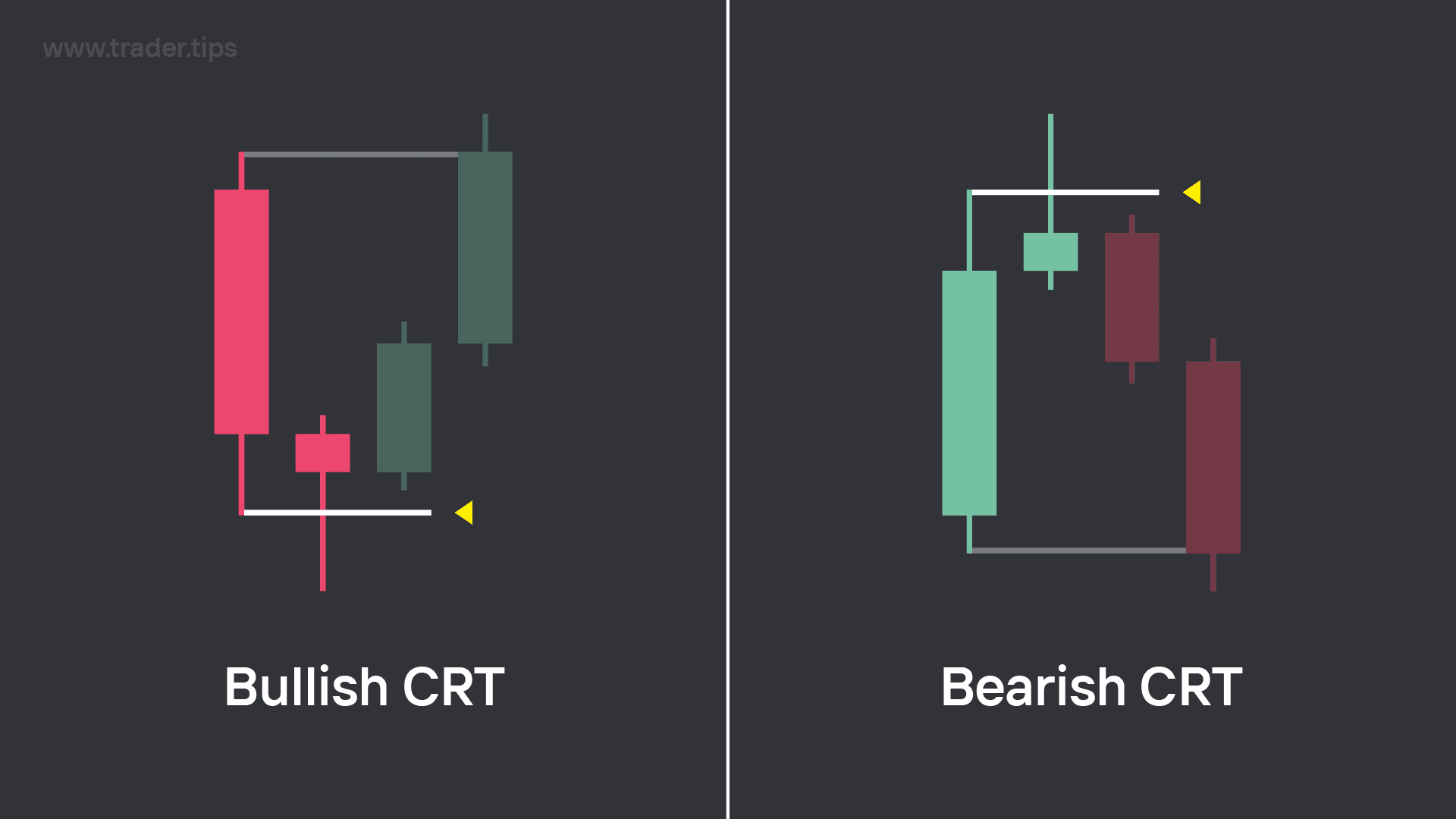
Example of a Bullish CRT Candle formation and a Bearish CRT Candle formation.
CRT Candle
A CRT Closure occurs as a result of a failed push by buyers/sellers, or a strong rejection pushback. We see this weakness in strength as a potential reversal signal, with the end result being a new swing point being created if successful.
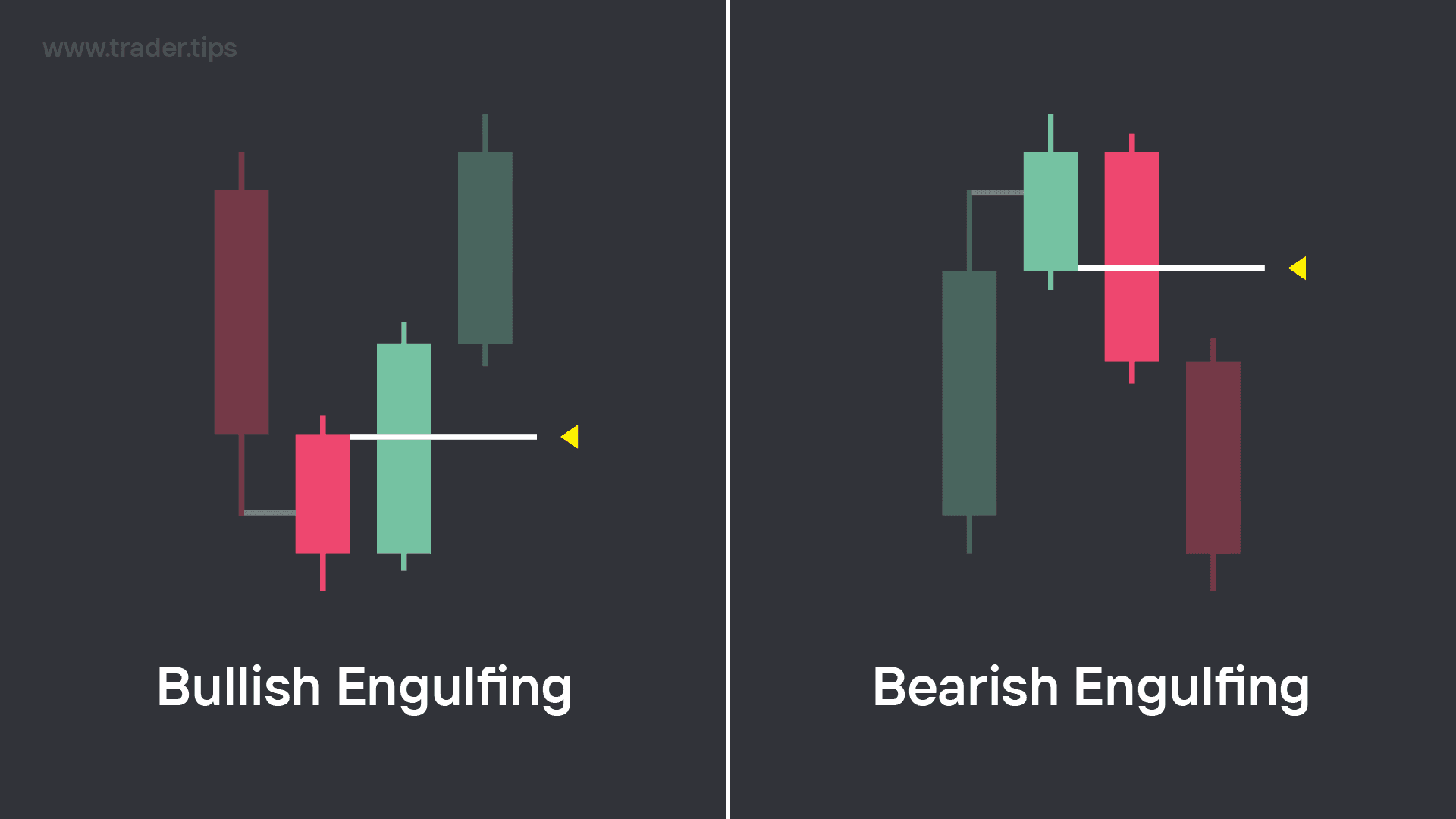
Example of a Bullish Engulfing Candle formation and a Bearish Engulfing Candle formation.
Engulfing Candle
An Engulfing Closure occurs when a candle impulsively flips direction and 'engulfs' the previous candle candle's body and wick. We use this as a signal that a potential reversal could be occurring, with the end result being a new swing point being created if successful.
Candle Closure to Avoid
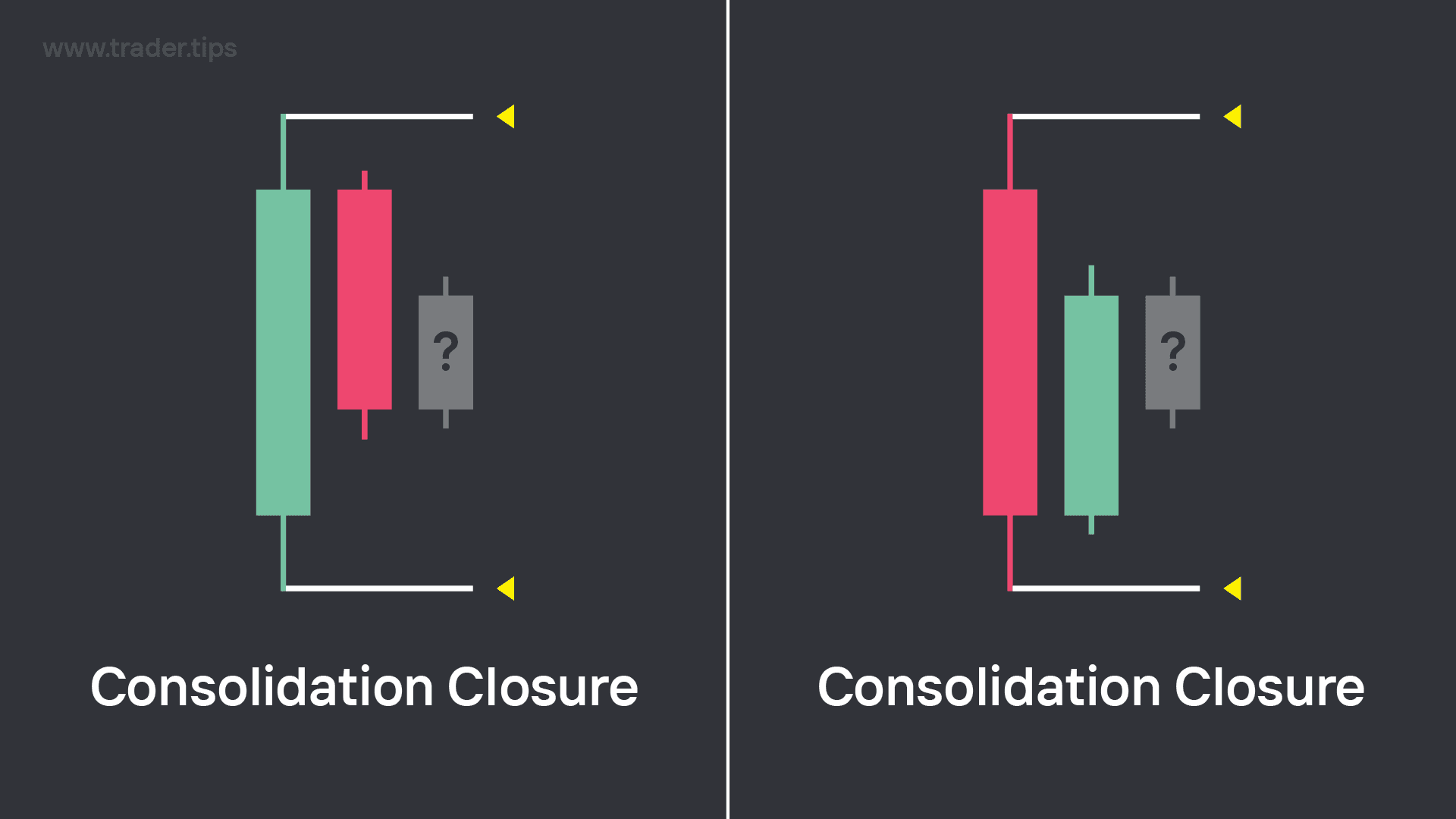
Example of Consolidation Candle formations.
Consolidation Candle
A Consolidation Closure occurs when a candle closes inside the range of the previous candle without mitigating either of it's wicks. This signals indecision in the market, with neither buyers or sellers showing enough strength to break out of the previous candle's range. We prefer to avoid these candles and wait till a decision has been made (one of the Consolidation Candle's wicks are mitigated).
We will look further into each of these candle formations and how they can be used over the next few chapters.